
Luck or skill which truly drives success in gambling
The Role of Luck in Gambling
Luck is often considered the primary driving force behind many gambling outcomes. In games of chance, such as slots or roulette, the results depend entirely on random number generators and chance, making luck the sole factor. Players may experience thrilling wins one moment and devastating losses the next, all dictated by luck. This unpredictability keeps the excitement alive and draws millions to casinos and online platforms where you can find the best non Gamstop casinos worldwide.
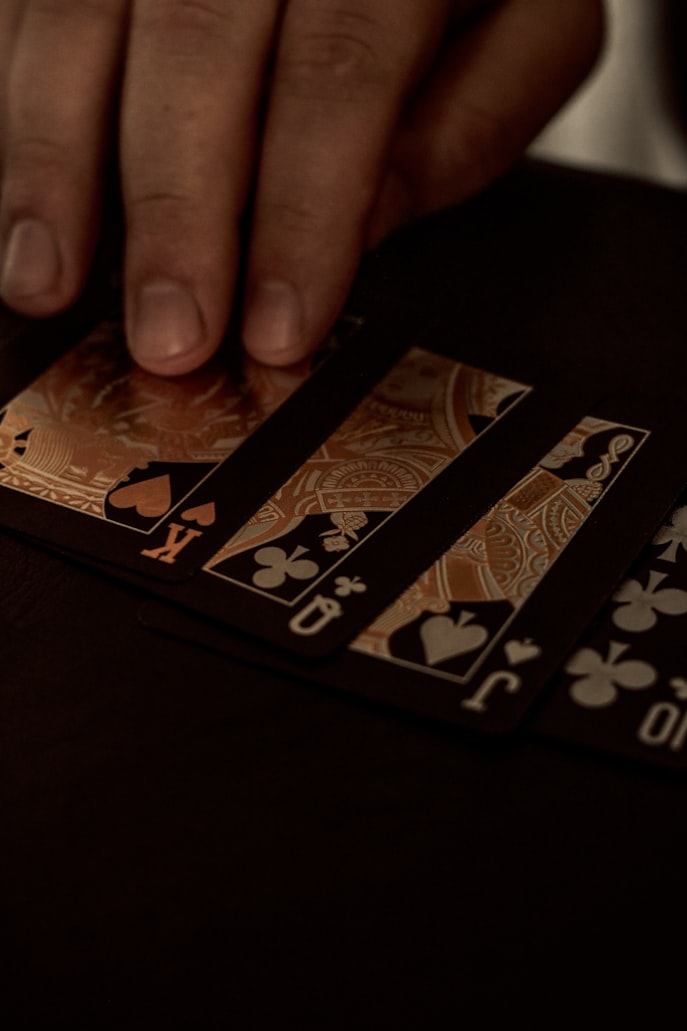
The psychological aspect of luck can heavily influence a gambler’s mindset. Many believe in “lucky streaks” or the idea that certain actions or rituals can sway fortune in their favor. This belief in luck can lead to overconfidence, which often results in risky betting behavior and financial loss. Understanding the psychological attachment to luck helps players navigate their gambling experiences with more clarity.
The Importance of Skill in Gambling
While luck plays a significant role, skill cannot be overlooked, especially in games like poker or blackjack. In these games, players can apply strategy, probability, and psychology to make informed decisions that can influence the outcome. A skilled player can effectively read their opponents and make calculated bets, vastly improving their chances of success over time.
The development of skill takes time, practice, and dedication. Many successful gamblers spend years honing their strategies and learning the nuances of the games they play. This expertise allows them to mitigate the element of luck and make decisions based on probabilities, enhancing their overall success rate.
The Balance Between Luck and Skill
Ultimately, the interplay between luck and skill is what makes gambling so compelling. In many instances, a skilled player may achieve success due to their knowledge and strategies, but luck can quickly change the dynamics of a game. This duality creates a unique environment where no outcome is ever guaranteed, keeping players engaged and on their toes.
Moreover, the randomness introduced by luck means that even the most skilled gamblers can experience losses. Conversely, inexperienced players can occasionally win due to sheer luck. This balance encourages players to continually improve their skills while also recognizing the unpredictable nature of gambling.
The Psychological Impact of Gambling
The psychology of gambling plays a crucial role in understanding whether luck or skill drives success. Players often face a whirlwind of emotions, from exhilaration during wins to despair during losses. This emotional rollercoaster can lead to cognitive biases, where individuals may underestimate the impact of skill or overemphasize luck based on their recent experiences.
Additionally, the concept of “loss chasing” can affect decision-making. Gamblers might continue to bet in hopes of recovering losses, often disregarding skill and relying on luck. Recognizing these psychological patterns can help players make more informed choices and approach gambling with a healthier mindset.

Your Resource for Gambling Insights
Our website serves as a comprehensive resource for anyone interested in the psychology of gambling, offering insights into both luck and skill. We aim to equip players with knowledge that can enhance their gambling experiences and minimize emotional stress. By understanding the dynamics at play, users can make more informed decisions and enjoy gambling responsibly.
Through our content, we emphasize the importance of balancing skill and luck, ultimately leading to a more fulfilling gambling experience. Whether you’re a seasoned player or just starting, our platform is designed to support you in your journey towards understanding and improving your gambling strategies.